
Stricter PFAS (per- and polyfluoroalkyl substances) limits in drinking water are increasing attention to material selection throughout potable water systems—not just filtration technology. PFAS are highly persistent chemicals, and certain compounds such as PFOA and PFOS have been associated with health risks and are now regulated at extremely low concentrations. AQUASKY PREMIUM-PLUS uses 304 Stainless Steel construction, a 304 Stainless Steel System Connection, a Heavy-Duty Butyl Rubber diaphragm, and factory N₂ Filling, without a PP liner. This liner-free stainless steel design provides an alternative material configuration for applications where corrosion resistance and stainless steel construction are priorities. AQUASKY also offers PUMPLUS and ROT with polypropylene-lined constructions for different system requirements.
I. What Is the Regulatory Reality for Potable Water Systems in 2026?
The water safety compliance landscape has changed significantly, increasing the responsibility of facility managers, hospital administrators, system designers, and commercial contractors to consider not only treatment performance, but also the materials used throughout the entire water system.
1. Strict PFAS Limits in the United States and EU
PFAS regulations have introduced extremely low allowable concentrations for certain compounds in drinking water.
According to the U.S. Environmental Protection Agency (EPA), the legally enforceable Maximum Contaminant Level (MCL) for PFOA (Perfluorooctanoic Acid) and PFOS (Perfluorooctanesulfonic Acid) in drinking water is 4.0 parts per trillion (ppt).
In the European Union, the recast Drinking Water Directive establishes parametric values of 0.50 µg/L for “PFAS Total” and 0.10 µg/L for the “Sum of PFAS,” with Member States required to comply with these parameters from January 12, 2026.
At concentrations this low, system design cannot focus solely on filtration technology. Materials used in storage and distribution equipment must also be carefully evaluated to reduce the risk of downstream components introducing additional contamination after the water has already been treated.
2. Key Compliance Challenge: Vulnerable Infrastructure
Meeting increasingly strict water quality requirements becomes more difficult when storage or distribution equipment contains unsuitable, uncertified, degraded, or corrosion-prone materials.
Some older commercial water systems still use pressure tanks containing polymeric components of uncertain composition or metallic surfaces that are vulnerable to corrosion. When highly purified water remains in contact with unsuitable materials for extended periods, material migration or degradation may become an additional water quality concern.
For this reason, material compatibility, corrosion resistance, and appropriate water-contact testing are becoming increasingly important considerations in potable water system design.
3. Material Degradation, Microplastics, and Human Health
PFAS are not the only material-related concern. Polymeric components that are unsuitable for the application or degrade during long-term service may contribute to the release of plastic particles, including microplastics, into stored water.
Research is continuing to evaluate the possible human health effects associated with exposure to microplastics and plasticizers. Because scientific understanding of long-term human exposure is still developing, appropriate material selection remains an important part of preventive water quality management.
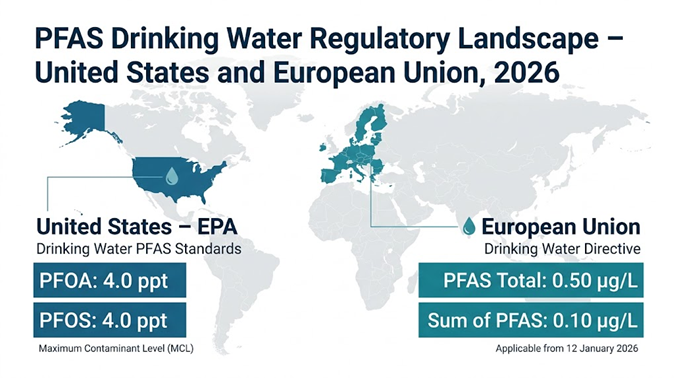
Picture 1: PFAS Drinking Water Regulatory Landscape – United States and European Union, 2026
II. How Does AQUASKY PREMIUM-PLUS Address Material Integrity in Water Systems?
As hygiene and regulatory requirements become more demanding, pressure tank construction must be considered as part of the complete water system.
AQUASKY PREMIUM-PLUS uses a stainless-steel-centered design rather than a polymer-lined tank construction. Its main structure combines 304 Stainless Steel with a Heavy-Duty Butyl Rubber diaphragm, providing a liner-free stainless steel configuration with corrosion resistance and mechanical durability.
1. High-Quality 304 Stainless Steel Construction
PREMIUM-PLUS Stainless Steel Pressure Tanks are made with 304 Stainless Steel and are designed for special applications and demanding environments, including food equipment, beverage applications, and seawater environments.
Unlike pressure tanks that rely on an internal PP liner, PREMIUM-PLUS does not use a polypropylene tank liner. This removes one polymer layer from the storage structure and simplifies the material configuration that must be considered during long-term water contact.
The use of 304 Stainless Steel also provides strong corrosion resistance, making PREMIUM-PLUS particularly suitable for applications where material durability and resistance to demanding environments are important design requirements.
2. Heavy-Duty Butyl Rubber Diaphragm with Water-Contact Test Data
The air and water chambers of the pressure tank are separated by a Heavy-Duty Butyl Rubber diaphragm.
Rubber Diaphragm testing was conducted in accordance with NSF/ANSI/CAN 61–2022, Section 8 for nitrosamine under domestic hot-water conditions at 60°C. The test results showed compliance with the applicable requirements.
Eight specified nitrosamine compounds were evaluated, including NDBA, NDEA, NDMA, NDPA, NMEA, N-Nitrosomorpholine, NPIP, and NPYR. All were reported as ND (Not Detected).
These results provide specific test evidence regarding nitrosamine extraction under the stated test conditions.
3. 304 Stainless Steel System Connection
The PREMIUM-PLUS System Connection is made of 304 Stainless Steel. This material provides corrosion resistance at a critical connection point in the water system and supports long-term mechanical durability. The PREMIUM-PLUS series also uses factory N₂ Filling, supporting stable pressure operation within the tank’s air chamber.
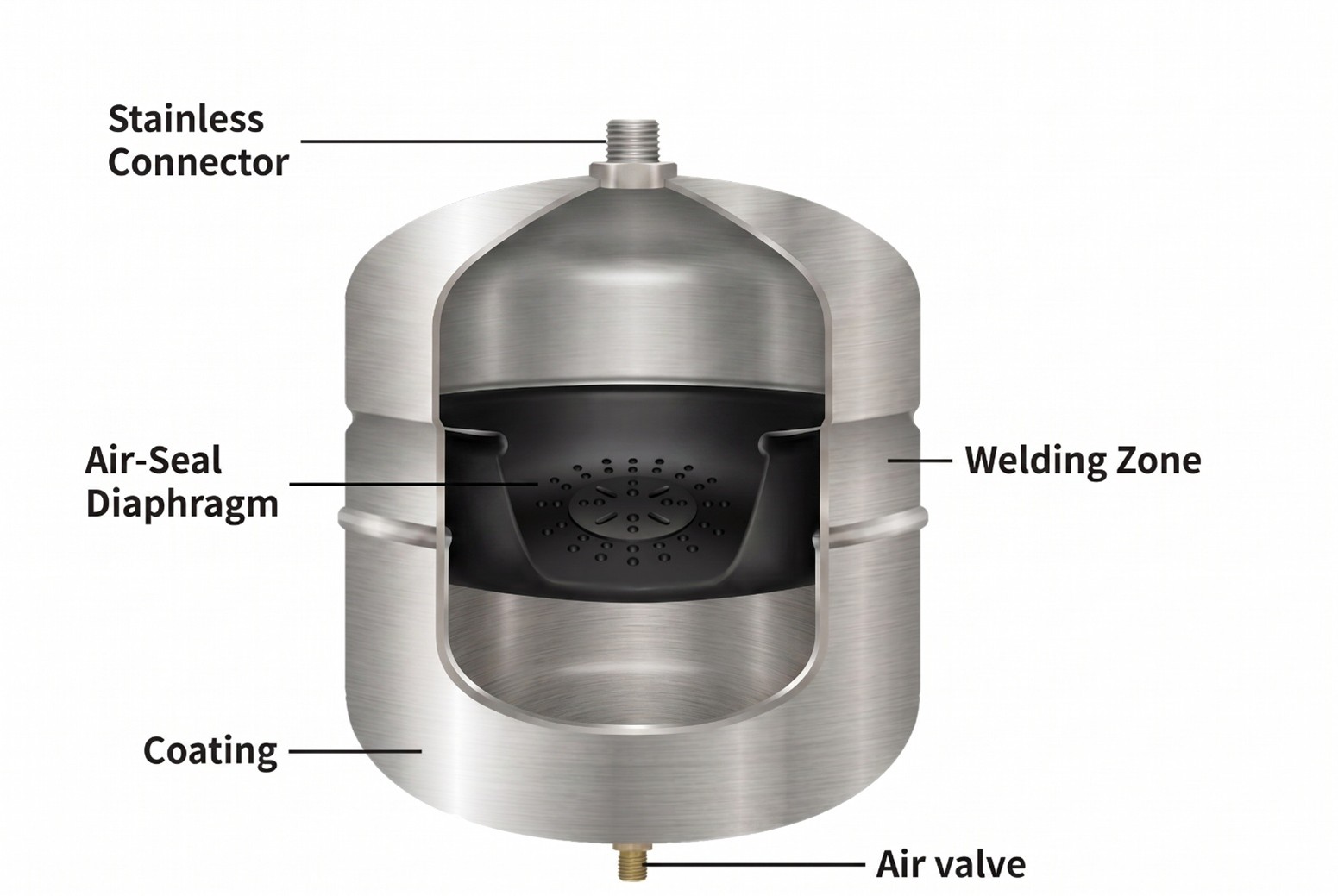
Picture 2: AQUASKY PREMIUM-PLUS Pressure Tank Structure Diagram
III. Additional AQUASKY Options for Different Material Requirements
Different water systems may require different pressure tank constructions. In addition to the stainless-steel-centered PREMIUM-PLUS series, AQUASKY offers PUMPLUS and ROT for applications using polymer-lined constructions.
1. PUMPLUS Pressure Tanks
PUMPLUS uses a Cold Rolled Carbon Steel shell, 304 Stainless Steel Connector, Heavy-Duty Butyl Rubber diaphragm, and FDA Grade Polypropylene liner. The series also uses N₂ Filling.
PUMPLUS is designed as part of a pressurized water system to help maintain system pressure, provide supplemental stored water, and reduce the frequency of pump starts.
In this configuration, the FDA Grade Polypropylene liner separates stored water from the carbon steel shell, while the Heavy-Duty Butyl Rubber diaphragm separates the water chamber from the pressurized air chamber.
2. ROT Reverse Osmosis Storage Tanks
For reverse osmosis applications, the AQUASKY ROT series uses a polypropylene liner and butyl diaphragm made with FDA materials. The liner helps prevent stored water from directly contacting the metal tank wall, while the butyl diaphragm separates the water chamber from the pressurized air chamber.
ROT Reverse Osmosis Storage Tanks carry NSF certification, Lead-Free compliance, and CE marking. The ROT series also uses N₂ Filling and is designed specifically for reverse osmosis water storage.
Together, these product families provide different material configurations for different system requirements.
IV. Product Spotlight: PREMIUM-PLUS Specifications
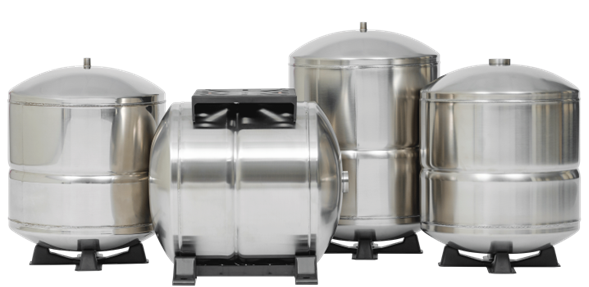
Picture 3: PREMIUM-PLUS Stainless Steel Pressure Tank
The PREMIUM-PLUS series is available in stainless steel configurations for reverse osmosis, vertical, and horizontal pressure tank applications.
|
Model |
Configuration |
Capacity |
Max Working Pressure |
Max Working Temperature |
|
ROT-4SS / ROT-6SS |
Reverse Osmosis |
18 L (4.5 G) – 24 L (6.0 G) |
100 PSI / 7 Bar |
90°C / 194°F |
|
APT-8SS / APT-18SS / APT-24SS / APT-60SS |
Vertical |
8 L (2.0 G) – 60 L (14 G) |
150 PSI / 10 Bar |
90°C / 194°F |
|
APT-18HSS / APT-24HSS / APT-60HSS |
Horizontal |
18 L (4.5 G) – 60 L (14 G) |
150 PSI / 10 Bar |
90°C / 194°F |
Typical Applications: Food equipment, beverage systems, marine and seawater environments, municipal supply stations, commercial marine vessels/ferries, hygiene-critical food & beverage processing plants, and medical RO systems, and other applications requiring corrosion-resistant stainless steel pressure tanks. PREMIUM-PLUS is particularly suitable for applications where corrosion resistance, stainless steel construction, and durable pressure performance are important design requirements.
V. Material Selection Across the Entire Water System
Are you preparing a commercial, medical, food and beverage, marine, laboratory, or premium residential water project?
Modern water quality management requires more than effective filtration. Storage tanks and downstream components must also be selected with careful attention to material compatibility, corrosion resistance, water-contact performance, and operating conditions.
AQUASKY offers multiple Pressure Tank constructions to meet different system requirements—from stainless steel PREMIUM-PLUS tanks to PUMPLUS and ROT polymer-lined solutions.
For project consultation, product selection, pricing, or technical support, contact our international team directly.
Email: [email protected]
Website: https://aquaskyplus.com/
Invest in reliable materials. Invest in lasting performance. Choose AQUASKY.