Kaohsiung Water Outage - Why Water Storage System is Essential
1. INTRODUCTION
Water is an essential resource for daily life, yet many people take its continuous supply for granted until an outage occurs. A recent water supply disruption in Kaohsiung, Taiwan, caused by pipeline replacements and infrastructure repairs, affected approximately 487,000 households across 15 districts and left residents without water for 55 hours. While the city provided emergency water supply stations and mobile water trucks to minimize the impact, access remained difficult for many, highlighting the need for individual preparedness.

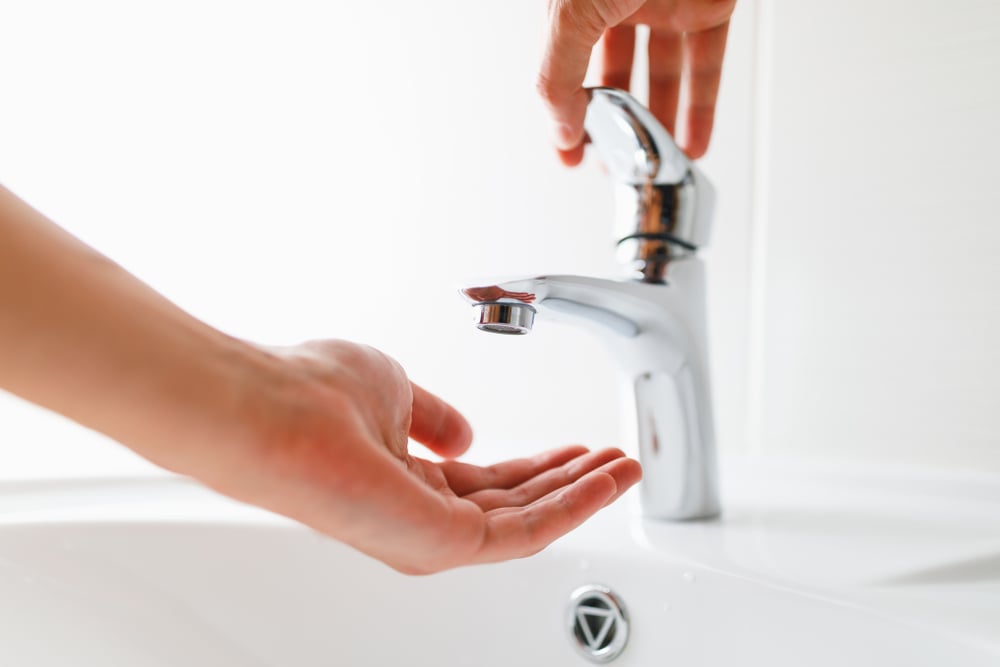
Picture 1: Water outage (Source)
Whether it’s a scheduled maintenance shutdown or an unexpected emergency, homes and businesses with proper water storage and pressure systems can mitigate the worst impacts of outages. A reliable water storage solution ensures access to clean water when municipal supply is unavailable, helping maintain normal life and operations with minimal inconvenience.
As one of Taiwan’s leading manufacturers of water pressure tanks, Aquasky understands the importance of reliable water storage systems. This article explores why investing in a home or business water storage system is essential, how Aquasky’s pressure tanks provide an efficient, cost-effective solution for setting up a proper water storage system.
2. KAOHSIUNG WATER OUTAGE: A WAKE-UP CALL
A water outage in Kaohsiung began at 11 PM on Friday, February 21st, and was initially scheduled to last until 6 PM on Monday, February 24th. The primary cause was the replacement of a malfunctioning 2200mm single-spray conical valve at the Zhuliao Water Station, a critical component regulating water flow to purification plants. This maintenance, combined with high and low-pressure system inspections at the Kaohsiung Water Supply Plant, led to widespread disruptions.
Despite efforts by the Kaohsiung City Water Resources Bureau to complete repairs three hours ahead of schedule, the 55-hour water disruption significantly affected 487,000 households, businesses, and industrial parks. The water outage covers 15 administrative districts, including Fengshan District, Sanmin District, Gushan District and other densely populated areas.
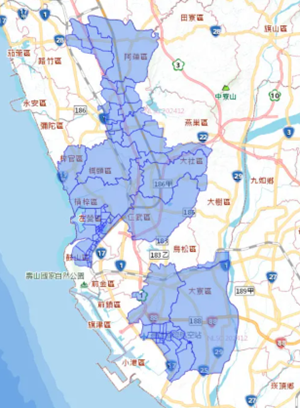
Picture 2: Water outage area. (Photo taken from the official website of Taiwan Water Corporation)
To mitigate the impact, the Kaohsiung City Government and the Taiwan Water Corporation implemented several measures, including advance notices urging residents to store water, reducing the scope and duration of outages in certain areas, dispatching over 200 temporary water supply stations and mobile water trucks. While these measures provided some relief, many households still faced challenges in accessing water, highlighting the importance of having an independent water storage system at home.
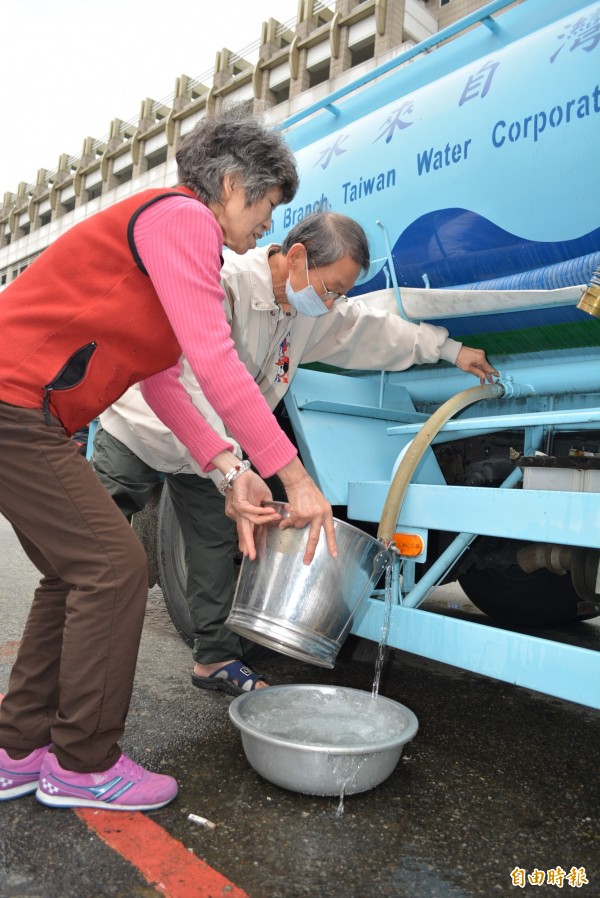
Picture 3: Water trucks delivering emergency water supplies in Kaohsiung. (Source)
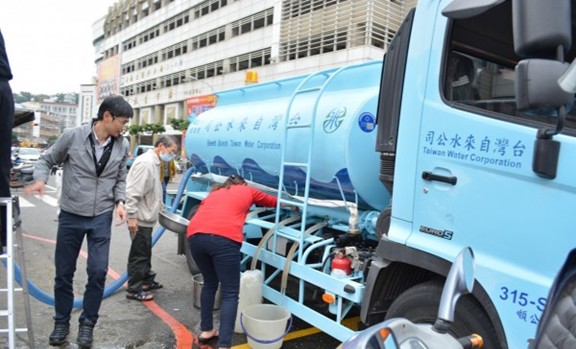
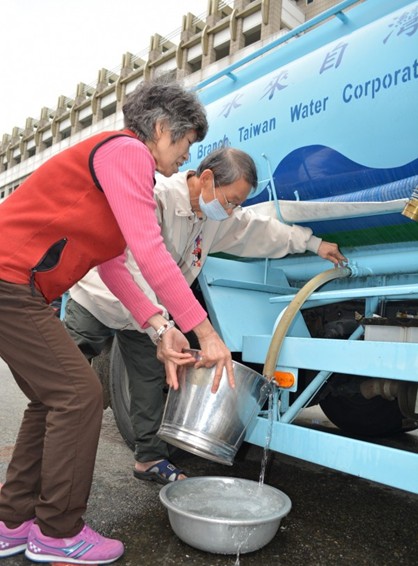
Picture 4: Water trucks refilling water tank stations. (Source)
With hot summer months ahead, water shortages may become even more frequent. Relying solely on municipal emergency supplies can be inconvenient and unreliable. Having a home water storage system ensures uninterrupted access to clean water whenever you need it, without the long wait at emergency stations.
3. WHY IS A WATER STORAGE SYSTEM NECESSARY?
We’ve all heard the saying: "Prevention is better than cure". This is especially true for water disruptions, which can happen unexpectedly at any time. The Kaohsiung water stoppage is just one example of why investing in water storage is a wise decision.
Across the globe, water outages can occur due to various reasons, including infrastructure repairs, drought-induced rationing, natural disasters (earthquakes, typhoons, floods), or unforeseen accidents. For a business, even a few hours without water can halt operations. Imagine restaurants unable to wash dishes or serve food, factories losing cooling water for machinery or hotels and hospitals facing sanitation challenges. For households, losing water means no drinking supply, no cooking, no showers, and no functioning toilets - an uncomfortable and unsanitary living situation. A well-designed water storage solution acts as a buffer, allowing households and businesses to continue normal operations for days. The peace of mind that comes from knowing you have enough clean water is invaluable.
While city provided emergency water supply stations, accessing them is not always convenient, especially for those with physical mobility issues or limited transportation. Long wait times can create significant challenges for residents, especially the elderly, disabled, or those with young children. A home water storage system provides immediate access to clean water, ensuring daily needs are met without disruption. Compared to other essential utilities like electricity, water is even more critical - running out of it is simply not an option.
4. HOW MUCH WATER SHOULD BE STORED FOR EMERGENCIES?
It is recommended to store at least 1 gallon of water per person per day for drinking, cooking, and basic hygiene needs. A three-day emergency supply requires 3 gallons per person, while a family of four would need 12 gallons.
However, experts suggest storing a two-week supply, if possible, which means 14 gallons per person for two weeks. For a family of four should store 56 gallons.
Additional storage should be considered for pets, climate conditions (hot climate will increase consumption), or special health needs. Water should be kept in clean, food-grade containers and replaced every six months to maintain quality and safety.
5. EFFECTIVE WATER STORAGE SYSTEM
A reliable water storage solution for homes or businesses typically includes three main components:
• Storage tank: Holds a volume of water in reserve. This could be a large cistern or a series of interconnected tanks.
• Pump (Submersible or Booster pump): Draws water from the well or moves water from the storage tank into the building’s plumbing.
• Pressure regulation system: Usually a combination of a pressure switch and a pressure tank, ensuring consistent water pressure to every faucet and fixture.
These components work together to maintain water availability even during municipal water outages. In many setups, the pressure tank is the heart of the system. It doesn’t just store water; it stores water under pressure using compressed air.
When the pump fills the tank, it compresses the air cushion inside. When a tap is opened, the pressurized air pushes water out, maintaining steady flow. Since the pressure tank can store a certain amount of pressurized water, the pump doesn’t need to run every time water is used. Instead, it activates only when the tank's pressure drops below the preset cut-in threshold, refills the tank, and shuts off once the upper pressure limit is reached. The result is a steady water supply at the tap and minimized pump wear-and-tear (since constant on/off cycling is avoided). Aquasky’s PumPlus pressure tanks are designed exactly for this purpose: storing supplemental water, stabilizing system pressure, and reducing pump workload.
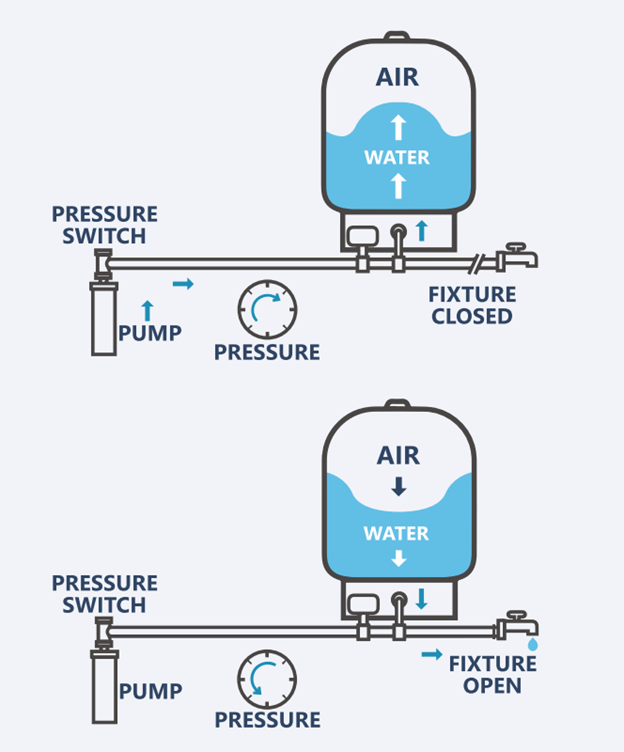
Picture 5: Schematic diagram of the operation of pressure tank in the system.
To visualize a typical home water storage layout, consider the schematic below. It illustrates a common arrangement for a well supply system, where water is drawn from a submersible pump from a well into a pressure tank, then fed into the home’s plumbing. Key components like the submersible pump (or booster pump), check valves, pressure switch, and the diaphragm pressure tank are shown working in union.
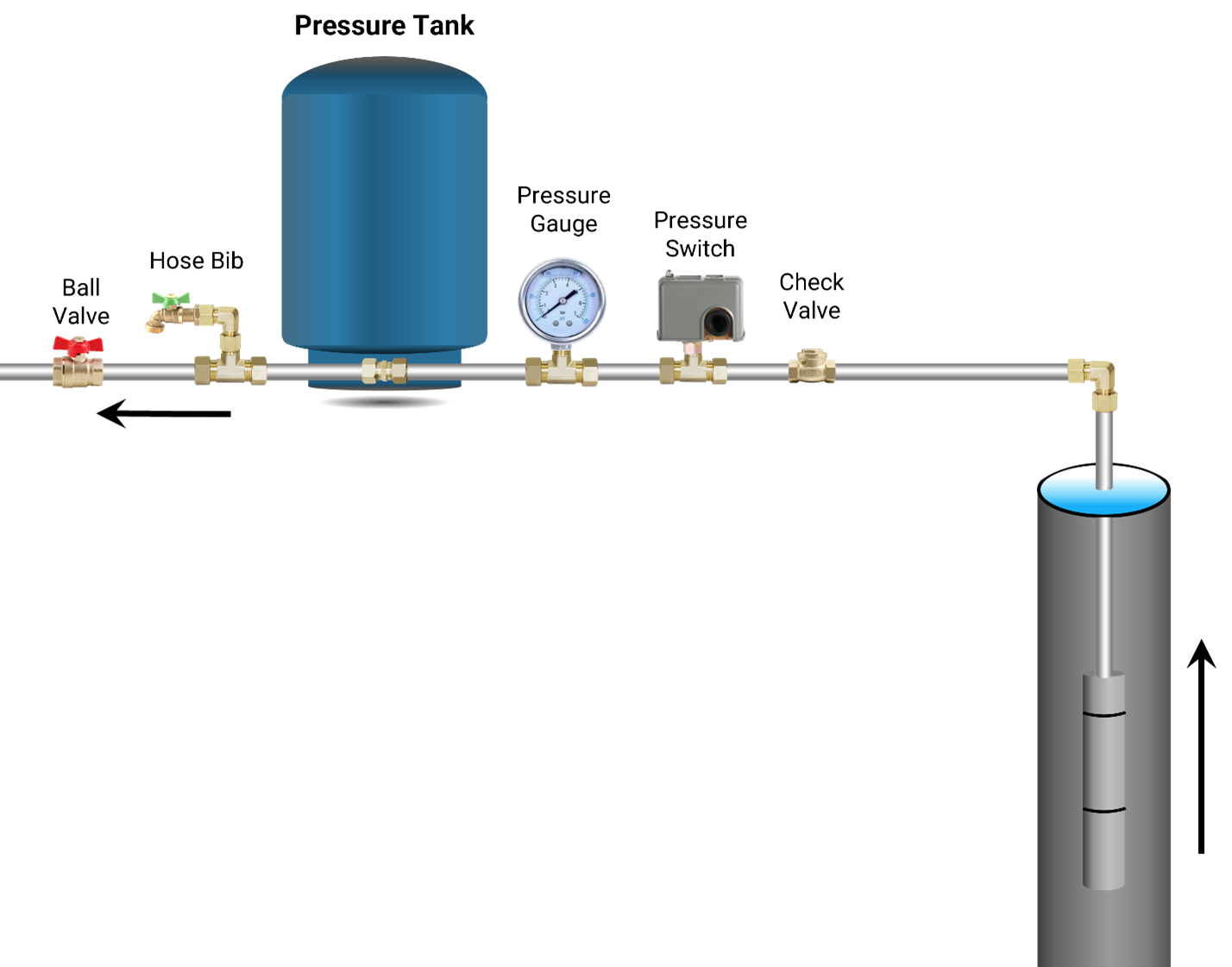
Picture 6: Schematic of well system with a submersible pump
In this setup, when faucets or appliances demand water, water will initially flow from the pressurized tank rather than directly and immediately from the pump. Only after the pressure in the tank drops to a set cut-in (e.g. 30 psi) does the pressure switch activate the pump to refill the tank. Once the tank is refilled up to the cut-off pressure (e.g. 50 psi), the pump turns off. A check valve prevents backflow into the well, ensuring stable operation. This arrangement guarantees consistent water pressure and minimizes pump cycling, which is vital for energy efficiency and pump longevity.
For higher water demands, a storage tank can be added to increase available water volume.
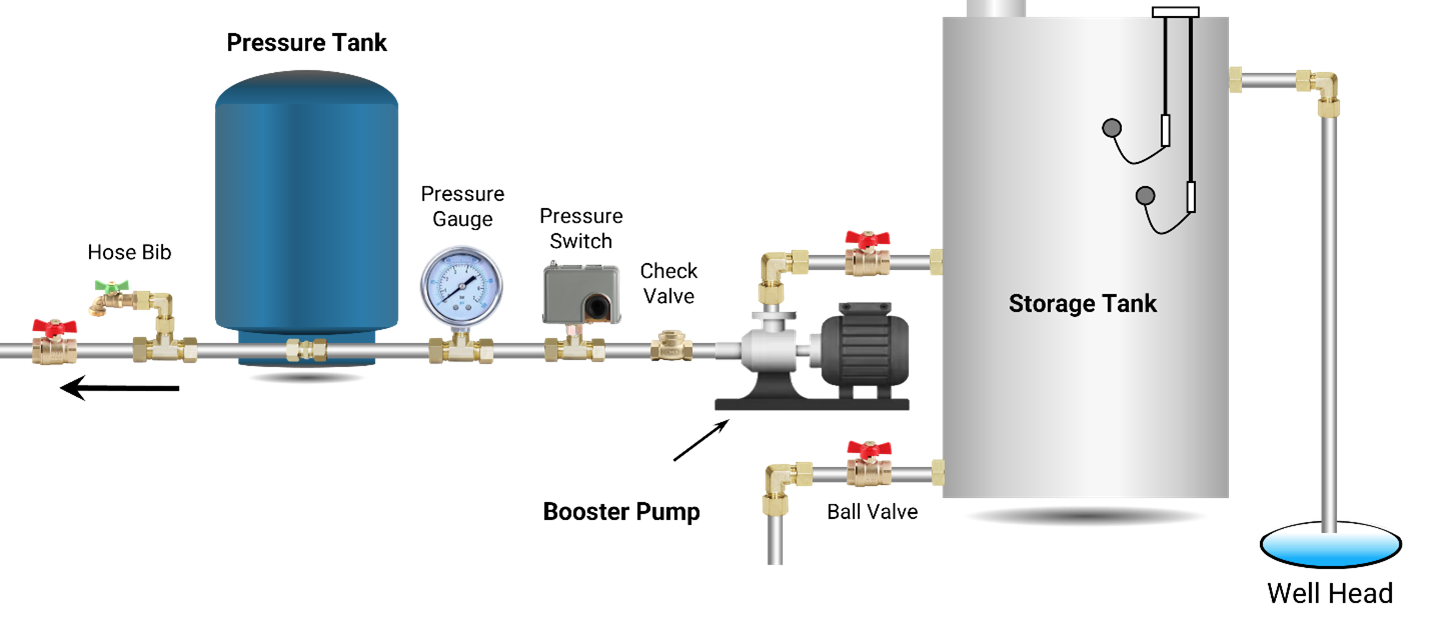
Picture 7: Schematic of well system with a storage tank and booster pump
In this configuration, Well pump in well is turned on automatically by float switch in storage tank. The booster pump is turned on and controlled automatically by pressure switch, which senses pressure in piping. Pressure tank prevents booster pump from cycling on and off too rapidly. After demand for water in the house ceases, the pump continues to build up water pressure in the pressure tank. When water is used again in the house, water pressure first comes from pressure tank, until the pressure switch senses lower pressure, turning on the booster pump again and repeating the cycle. Typically a second float switch in the storage tank protects the booster pump by shutting it off when water levels are too low, preventing damage due to dry operation.
This setup is ideal for homes requiring higher water capacity, businesses needing continuous water supply, locations with inconsistent well output.
6. INSTALLATION AND PRESSURE SETTINGS:
Installing a water storage system should be done by a licensed technician to handle water line connections and electrical wiring for the pump. Install the submersible pump inside the well to draw water into the system. Use proper pipes and fittings to connect the pump to the pressure tank. Install a check valve near the pump outlet to prevent backflow into the well/source. Place the pressure tank on a stable, level surface. Before filling, adjust the pre-charge air pressure to 2–3 psi below the cut-in setting (e.g., 28 psi for a 30 psi cut-in). Attach the pressure switch to the tank and wire it to the pump. Set the cut-in/cut-off pressures (e.g., 30/50 psi). Connect the pressure tank to the home’s water distribution system. Ensure all joints are sealed. Power on the system and check for leaks. Verify that the pump activates at the cut-in pressure and shuts off at the cut-off pressure.
7. AQUASKY SOLUTIONS: RELIABLE, EFFICIENT, AND COST-EFFECTIVE
Aquasky is a well-established manufacturer of high-quality pressure tanks. Our experience shows in the engineering details of products. For homes and small businesses, our PumPlus series offers diaphragm tanks ranging from compact 3-liter units to robust 500-liter systems. The popular choice APT-80 (80 liters) delivers reliable performance suitable for multi-bathroom homes or small offices, supporting 7–8 faucets simultaneously. During outages, it provides tens of gallons of pressurized water for showers, flushing, and cleaning.
Designed for hassle-free operation, these tanks include:
• Food-grade PP liners and butyl rubber diaphragms to keep water clean and safe.
• Corrosion-resistant, leak-proof stainless-steel inlets.
• NSF, ACS, and CE certifications for global safety standards.
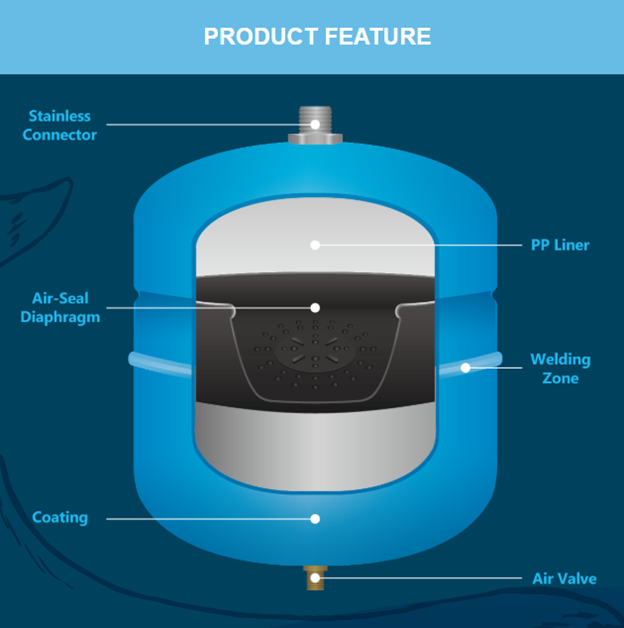
Picture 8: The structure of Pumplus pressure tank to pressurize and store water
Pre-charged and maintenance-free, Aquasky tanks are a long-term investment in water security.
8. CONCLUSION
The recent water outage demonstrated that even in modern cities, prolonged water disruptions can occur and affect hundreds of thousands of people. Water is too essential to leave at risk of interruption. A water storage system ensures that you have access to clean water for drinking, cooking, hygiene, and operations, no matter what happens to the municipal supply.
With Aquasky, you’re not just buying a tank; you’re investing in a guarantee of steady water flow, energy efficiency, and long-term savings. With decades of experience and a proven track record, Aquasky provides the right pressure tank or water storage solution tailored to your requirements. Don’t wait until the next outage to realize the importance of water storage - plan ahead, install a quality system, and enjoy the confidence that comes with knowing your water is always under control. Whether it’s a sunny day or a citywide shutdown, Aquasky has you covered with solutions that keep life and business flowing smoothly.
For more information about Aquasky’s product models and size selection, please visit our website: AquaskyPlus.com
For pricing and availability, contact us at [email protected]
READ MORE: How to select Pressure Tank Size
READ MORE : How to Set a Correct Air Pressure inside Your Pressure Tank
READ MORE : How long does a good pressure tank last?
READ MORE : Will a bigger pressure tank increase water pressure?