
Asia Sees New COVID-19 Wave: Rising Cases in Hong Kong, Singapore, China, and Thailand

A new wave of COVID-19 infections is spreading across several parts of Asia, challenging earlier assumptions about the virus's seasonal behavior and prompting health authorities to advise heightened vigilance. Densely populated financial centers like Hong Kong and Singapore, alongside mainland China, Thailand, and Taiwan, are experiencing significant rises in cases, raising particular concern for vulnerable populations.
Unusually, this resurgence is occurring during warmer months, a time when respiratory viruses typically subside, highlighting COVID-19's continued unpredictability. This article will delve into the situation country-by-country, explores the reasons behind these rising numbers, how authorities response, and assesses whether there is cause for public concern.
Singapore: Immunity Wanes as Cases Jump 28%
Singapore's Ministry of Health reported a 28% increase in Covid-19 cases during the week ending May 3rd, with an estimated total infection rising to 14,200. Hospital admissions also rose by about 30%. This marks Singapore's first major public update on case numbers in nearly a year, a measure typically reserved for periods of major surges.
Officials attribute the current spike primarily to waning immunity within the population, as many individuals have not received boosters for one to two years. The Ministry of Health has clarified there are no signs of heightened virulence in the currently circulating strains, which are predominantly LF.7 and NB.1.8 (both linked to the JN.1 strain), accounting for over two-thirds of sequenced local cases.
Despite the rise in hospital admissions, doctors are treating the wave similarly to common flu outbreak, with most people recovering quickly and without complications. The Ministry of Health and the Communicable Diseases Agency are closely monitoring the situation and urging older adults and immunocompromised individuals to receive Covid-19 booster shots to enhance their protection, as these groups remain most vulnerable to severe illness.
Hong Kong: Rising Positivity Rates and Severe Cases
Hong Kong's Centre for Health Protection has issued a public alert due to a significant increase in Covid-19 cases. The percentage of positive respiratory samples has reached its highest level in over a year, climbing from 1.7% in mid-March to 11.4%, surpassing the peak of August 2024. This rise is accompanied by an increase in severe cases, with 30 deaths reported among 81 serious adult cases in the past four weeks. Notably, in the week ending May 3rd, Hong Kong recorded 31 severe cases, the highest weekly figure in the past year.
Health officials are also observing a surge in viral concentrations in sewage samples, indicating wider community transmission. Consequently, more residents are seeking medical attention for Covid-related symptoms, and hospitalizations are on the rise. The Centre's investigation revealed that 83% of severe cases involved individuals aged 65 and older, with over 90% having pre-existing health conditions.
The resurgence has even impacted the entertainment sector, as prominent Hong Kong singer Eason Chan tested positive for the virus, leading to the cancellation of his concerts in Taiwan and raising public awareness about the growing situation. While the current increase hasn't reached the peak levels of the past two years, the combination of rising positivity rates, increased viral load in sewage, more medical consultations, and hospitalizations strongly suggests a new wave of Covid-19 is underway in Hong Kong.
Mainland China: Doubling Positivity Rates Signal New Surge
The recent surge in Covid-19 activity, previously noted in Hong Kong is now significantly impacting mainland China. The Chinese Centre for Disease Control and Prevention reported that Covid test positivity rates in hospitals more than doubled in the five weeks leading up to May 4th. This substantial increase suggests the country could be facing another wave of infections similar in scale to last summer's outbreak.
Thailand: Post-Songkran Spike and Endemic Approach
Thailand is also experiencing a notable rise in cases, with the Department of Disease Control reporting two significant Covid-19 outbreaks this year. A sharp increase in infections followed the April’s Songkran festival, a major public holiday known for large gatherings and celebrations, which likely facilitated the virus's spread.
According to the government’s COVID-19 Information Center, from January 1 to May 17, 2025, Thailand has recorded 71,067 COVID-19 cases and 19 deaths. More recently, Covid-19 cases in Thailand were reported spiked to 33,030 between May 11-17, doubling the previous week's figures, with over 6,000 cases in Bangkok alone.
This increase has been linked to the rise of the highly transmissible XBB.1.16 subvariant of Omicron, which emerged in 2023. Despite the continue rising numbers, Thailand's Ministry of Public Health advises the public not to be overly concerned, as Covid-19 is now considered endemic in the country, and the WHO confirms the circulating strain causes no more severe illness than earlier Omicron variants. Most cases are mild, with hospitals reporting stable admission rates.
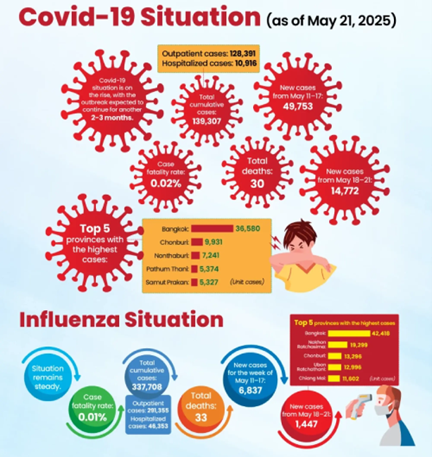
Picture 1 : COVID-19 and Influenza Situation Update in Thailand (Source)
Taiwan: Cases Climb with June Peak Predicted
COVID-19 continues to surge across Taiwan, with the Centers for Disease Control (CDC) reporting nearly 10,000 individuals seeking medical treatment last week, and the outbreak is likely to peak in June.
For the week of May 4 to 10, a total of 9,978 outpatient and emergency visits due to COVID-19 were recorded, marking a 66% increase from the previous week and the fifth consecutive weekly rise. Despite this increase, the weekly case count remains lower than the 23,324 visits reported during the same period last year.
From May 6 to 11, six deaths and 34 new severe cases of COVID-19 were reported across Taiwan. Among these severe cases was an 11-month-old boy from southern Taiwan who required ICU treatment for low blood oxygen levels at the undisclosed hospital after being diagnosed with asthma-like symptoms at a clinic. A PCR test later confirmed that he was positive for COVID-19, and he was diagnosed with a severe case of COVID-19, he has since recovered and been discharged after about a week in the hospital.
CDC Deputy Director-General Lo Yi-Chun noted that current case numbers are reaching approximately 40% of those seen during the same period last year and projects this year's outbreak will likely peak in June, slightly earlier than last year's peak in early July, when weekly clinic visits in a single week reached 134,000.
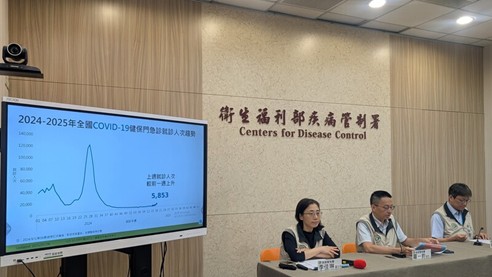
Picture 2: Centers for Disease Control gives update on COVID cases on May 6th, 2025 (Source)
India: Stable Situation Amidst Regional Surges
Despite the rise in Covid-19 cases across other parts of Asia, India has not reported a significant increase in infections, maintaining a low number of active cases. As of May 19, 2025, the Ministry of Health and Family Welfare reports only 257 active cases nationwide, with most being mild and not requiring hospitalization. Officials have confirmed that no new wave of the virus has been detected in the country so far. However, given the evolving situation in neighboring regions, Indian health experts are closely monitoring the situation as a reminder that conditions can change rapidly.
Conclusion: Vigilance Remains Essential
The recent resurgence of Covid-19 across Asia serves as a stark reminder that the virus remains a significant public health threat. This uptick in infections, occurring during warmer months, challenges previous assumptions about Covid's seasonal behavior and underscores its unpredictable nature.
For now, the situation doesn't appear to warrant widespread alarm, with many cases remaining mild. Nevertheless, regional cooperation, timely data sharing, and proactive vaccination campaigns, especially for high-risk groups, remain crucial. Authorities are advising vulnerable individuals to consider additional vaccine doses about a year after their last shot, and recommend simple precautions like regular handwashing, avoiding travel when unwell, and mask-wearing in crowded areas.
This wave underscores that Covid-19 is not over and still has the potential to impact daily life and healthcare systems if vigilance is relaxed.

